We don't need more clothes, we need better habits
- maisiemunch
- Apr 18
- 4 min read
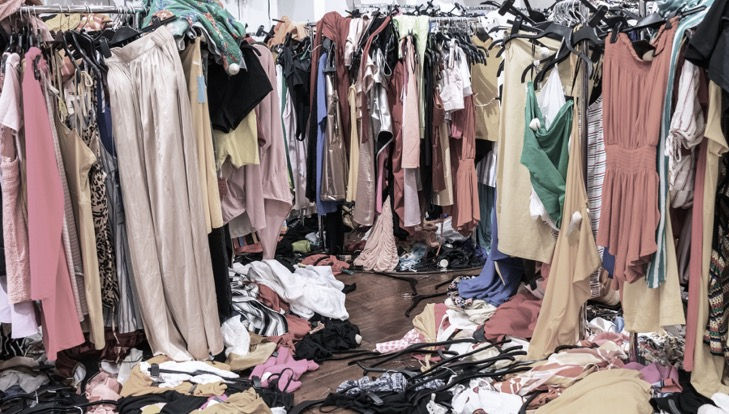
The average piece of clothing is worn just 7 times. Let that sink in. The fashion industry has become a real danger to the planet and behind the trends, hauls and perfect wardrobes is a terrifying truth. Between habitats being destroyed, increased carbon emissions, water pollution and human exploitation-the true price of fast fashion is far greater than we think.
I’ve had more wardrobe clear outs than I can count. Each time, I find pieces I’d completely forgotten about, items I wore once, or never wore at all. How do we end up with so much, but wear so little? My wardrobe started to feel less like a collection and more like a reminder of waste and that’s when I started to realise just how deep the problem within the fashion industry is.
To better understand the real impacts of the fashion industry, I spoke to Rosie Anthony, a Lecturer in Climate Change and Sustainability at the University of Salford. Having previously researched sustainable fashion, she shared her insights and concerns with me.
Overconsumption has really taken over the world, especially in the fashion industry. As Rosie explained "things are being made really cheaply and quickly" and many shops "have new stock in every week". This constant demand for new clothes means we need more materials, which Rosie explained is "clearing vast amounts of land and using huge amounts of resources". She also expressed her concerns about the land being lost in the process "I worry about the land that is lost, what that land could be used for. If we're deforesting areas, that could be habitat for people, for species. It could be taking livelihoods away from people". It's easy to forget that each item you buy comes from somewhere and has a real and often permanent consequence.
However, understanding the impact is only a small part of the conversation. The reality is many of us simply aren't educated on the dangers. But even if we are all fully educated, Rosie gave the reminder that "some people don't have a choice, and I think it's really important for us to not judge them". Sustainable fashion often comes with a higher price tag. They take more time to produce and use better quality materials. But in the middle of a cost of living crisis, that simply isn’t accessible for everyone—and that’s the reality.
However, sustainability isn’t all or nothing. There are still small, realistic changes we can all make. As Rosie explained "what we can all do is buy more consciously". That means thinking carefully about what we purchase, rather than picking up unnecessary items we won’t wear. She also highlighted the importance of shopping in charity and vintage stores, where clothes are not only more affordable but kept in circulation rather than going to waste. Rosie also pointed out something many of us already do without thinking: "Why not share clothes with your friends, you can swap things!" These small changes might seem insignificant, but together they can have a real impact, helping to reduce waste and shift the way we think about fashion.

When it comes to responsibility and change Rosie described it as a "multi-pronged attack", believing real change is down both consumers, brands and the government. "The people in charge have got the finances to actually do something, if they put in legislation that is regulated, that can have a real powerful effect". And honestly, that makes sense. It's easy to put all the blame onto the consumer, but real change needs to happen on a much bigger level too.
However, consumers do hold more power than we often realise. It’s easy to fall into the mindset of 'I can’t make an impact on my own', but when people act together it can be incredibly powerful. As Rosie explained, "if we all decided to never, ever go to Costa until they got rid of their plastic cups, they’d suddenly stop using them—because they wouldn’t want to lose the business”. It really puts into perspective how a single shift in habits can have a roll on effect and can lead to positive change. It makes your own choices feel a bit more important. Maybe it’s not just one purchase after all.
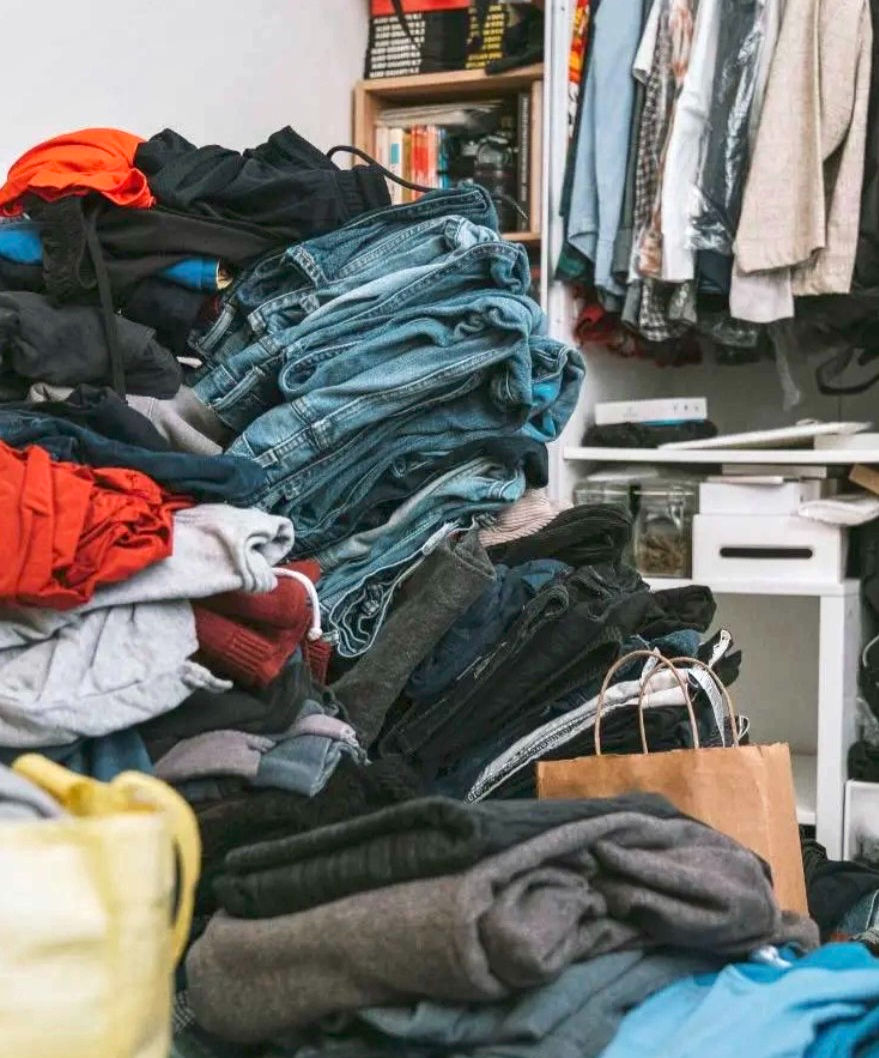
Writing this blog has definitely made me think more about my own habits. I'm not suddenly going to be perfect, but speaking to Rosie really opened my eyes to what's actually going on behind the clothes we buy. I think a lot of it just comes down to being more aware. Because let’s be real, do we actually need 15 pairs of jeans or 20 pairs of shoes? It gets to a point where our wardrobes go from being a collection, to a graveyard of clothes we never wear.
At the end of the day, it comes back to this. We don't need more clothes; we need better habits.


Comments