Scrolling into overconsumption
- maisiemunch
- Apr 14
- 3 min read
Have you ever opened TikTok for a quick scroll, only to resurface an hour later convinced you need something you’ve never even thought about before? Social media works like a digital conveyor belt—endlessly feeding you products, trends, and "must-haves" until wanting starts to feel like needing. Ads, live streams, and influencers are constantly in our ears, subtly shaping our desires in ways that feel natural, even personal. As trends move faster than ever, it’s becoming harder to tell where our genuine needs end and where overconsumption begins.
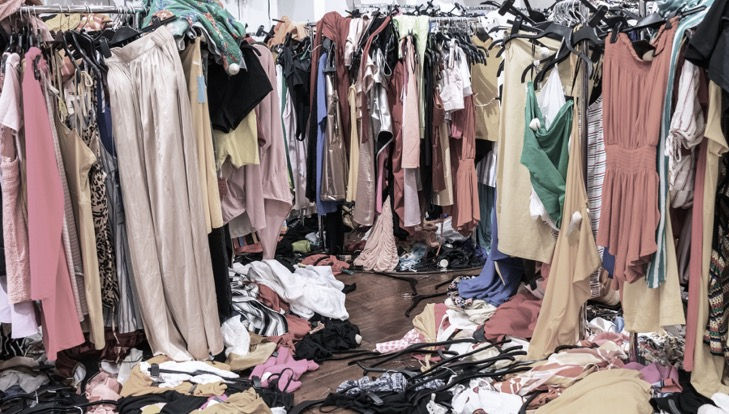
Firstly, it's important to understand fashion overconsumption. This term refers to the excessive purchasing, use, and disposal of clothing and accessories. There are multiple drivers of overconsumption, but for me social media is the most alarming. Platforms like TikTok, Instagram, and Pinterest are constantly feeding us with the newest fashion trends, styles and products, creating a sense of need amongst users. Social media makes it so easy to make compulsive purchases, with just the click of a button. But overconsumption is rapidly increasing—having serious consequences on the planet.

So, how is social media leading to overconsumption? Algorithms push out the latest trends to users, encouraging frequent and mostly unnecessary purchases. This cycle fuels the rise of fast fashion and microtrends, where clothing is bought quickly and discarded just as fast. Many of these platforms promote low-quality clothes produced in unethical and unsustainable ways. At the same time, social media also adds pressure for users to keep up to date with what's trending, and seeing your favourite influencers wearing certain styles can make those items feel essential rather than optional.
These influencers play a key role in driving overconsumption, turning trends into necessities. Hauls, sponsored posts, lives and 'get ready with me' videos are making constant buying seem normal. Followers often trust creators and take inspiration from their content, but when they are promoting something new every day, it becomes increasingly concerning. The loyal fan bases and trust these influencers build with their followers makes their advertising feel more personal. Audiences are then more likely to purchase the same items in order to recreate a certain lifestyle or image. This accelerates trends, encouraging an unsustainable cycle in which clothes are bought, worn briefly, and quickly discarded.
So, what does overconsumption actually do to our planet? It turns out, quite a lot. The fast fashion industry produces huge amounts of textile waste, which ends up harming habitats and ecosystems. Most of the materials used in these trendy, low-cost clothes are made from synthetic materials, meaning they won't break down easily. Even worse, these materials also contain dangerous microplastics that make their way into water systems and damage marine life. When we keep shopping for mass produced, low-quality clothes like many promoted on social media, we are contributing to pollution and environmental damage in ways that we don't realise.

So, what can we do about this? One of the best alternatives, in my opinion, is choosing to buy second hand clothes that already exist instead of constantly buying new ones. This is one simple step back from the cycle of overconsumption. Being more mindful about what we really need is also key, and will make a huge difference. Overconsumption isn't just a trend, it's a growing issue with long term impacts, and small changes in habits can really help.


Comments